

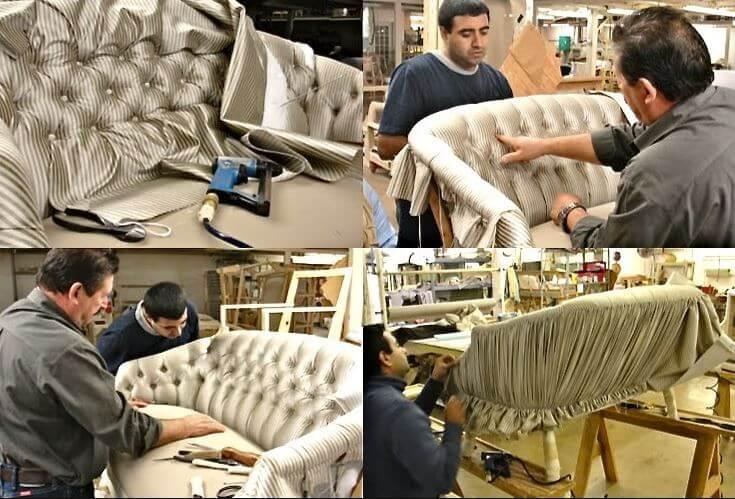
As consumers become increasingly aware of the environmental impact of their purchases, sustainability has become a key factor in the furniture industry. Upholstery materials, in particular, play a significant role in the environmental footprint of furniture. From the choice of fabric to the manufacturing processes, selecting eco-friendly sofa upholstery materials can make a meaningful difference in reducing waste, carbon emissions, and harmful chemical usage.
If you’re looking to update your sofa with a fabric that aligns with your environmental values, this ultimate guide will walk you through the top sustainable upholstery materials that are both stylish and eco-conscious. Let’s dive in!
Organic Cotton
What It Is:
Organic cotton is one of the most popular and widely available sustainable fabrics. Unlike conventional cotton, which is grown with synthetic pesticides and fertilizers, organic cotton is cultivated using natural methods, prioritizing soil health, water conservation, and the avoidance of harmful chemicals.
Why It’s Sustainable:
Pesticide-Free: Organic cotton farming avoids toxic pesticides that can harm wildlife, workers, and ecosystems.
Water Efficiency: It typically uses less water than traditional cotton farming due to healthier soil that retains moisture better.
Biodegradable: Organic cotton is fully biodegradable, meaning it won’t contribute to landfill waste.
Aesthetic & Durability:
Organic cotton has a soft, natural feel and is available in a wide range of colors and patterns. It may require more maintenance than synthetic fabrics, but with proper care, it’s a durable option that improves over time, softening with each wash.
Best For:
Those looking for a versatile, breathable, and non-toxic fabric. Perfect for casual living rooms or families who prioritize comfort and sustainability.
Hemp Fabric
What It Is:
Hemp fabric is made from the fibers of the hemp plant, known for its sustainability and durability. Hemp has been used for centuries in textiles and is gaining popularity again as people become more conscious of environmental issues.
Why It’s Sustainable:
Low Environmental Impact: Hemp requires little water and no pesticides to grow, making it much less resource-intensive than conventional cotton.
Fast Growing: Hemp grows quickly and can be harvested in a fraction of the time compared to other crops, reducing land use.
Durability: Hemp fibers are naturally strong, meaning products made from hemp tend to last longer, reducing the need for frequent replacements.
Aesthetic & Durability:
Hemp fabrics have a slightly textured, rustic feel, making them perfect for natural, eco-friendly aesthetics. They are also incredibly strong and resistant to wear and tear, making them ideal for high-traffic areas.
Best For:
Eco-conscious consumers who want a rustic, durable, and low-maintenance fabric that can handle heavy use while still looking stylish.
Recycled Polyester (rPET)
What It Is:
Recycled polyester (rPET) is made from post-consumer plastic bottles or other polyester-based materials. By recycling plastic waste into upholstery fabric, rPET helps to reduce the need for virgin polyester, a fabric made from petroleum-based resources.
Why It’s Sustainable:
Reduces Plastic Waste: By repurposing plastic bottles, rPET prevents these materials from ending up in landfills or oceans.
Less Energy Intensive: Producing rPET uses less energy than manufacturing virgin polyester, reducing the overall carbon footprint.
Recyclable: rPET itself is recyclable, meaning it can be reused in future fabric production.
Aesthetic & Durability:
Recycled polyester can mimic the look and feel of traditional polyester, offering a sleek, modern look that’s both durable and resistant to stains. It’s also lightweight and easy to clean, making it a popular choice for contemporary homes.
Best For:
Those who want a modern, low-maintenance fabric while reducing plastic waste. It’s perfect for anyone with an active lifestyle or those looking for eco-friendly options without compromising on style.
Tencel (Lyocell)
What It Is:
Tencel, also known as Lyocell, is a sustainable fabric made from wood pulp, typically sourced from eucalyptus, beech, or spruce trees. The process used to create Tencel is eco-friendly, as it uses a closed-loop system that recycles water and solvents, minimizing waste.
Why It’s Sustainable:
Closed-Loop Process: The production of Tencel is one of the most environmentally friendly textile manufacturing processes, as the solvents used in production are recycled, creating minimal waste.
Sustainably Sourced: Eucalyptus trees, the most common source of Tencel, require fewer pesticides and fertilizers, and they grow quickly with minimal water usage.
Biodegradable: Tencel is 100% biodegradable, making it a sustainable choice when the fabric reaches the end of its life.
Aesthetic & Durability:
Tencel has a smooth, silky texture that drapes beautifully, making it an ideal fabric for those seeking a luxurious, soft feel. It’s also breathable and moisture-wicking, making it comfortable for year-round use.
Best For:
Eco-conscious homeowners who are looking for a sustainable yet luxurious fabric for their sofas. Tencel works well in homes that value both style and function.
Cork Fabric
What It Is:
Cork fabric is made from the bark of cork oak trees, which is harvested sustainably without harming the tree. The cork is processed into a textile-like material that is used in upholstery, offering a unique, natural look.
Why It’s Sustainable:
Sustainable Harvesting: Cork oak trees naturally regenerate their bark after it’s harvested, making it a renewable resource.
Low Environmental Impact: Cork requires minimal water and no pesticides or fertilizers, making it a very low-impact fabric.
Durable and Lightweight: Cork fabric is surprisingly durable and resistant to moisture, making it perfect for furniture upholstery.
Aesthetic & Durability:
Cork fabric has a distinctive, natural look with a soft, textured surface. It’s lightweight and resistant to wear, and while it may not be as commonly used as other fabrics, it provides a unique and eco-conscious alternative.
Best For:
Those who want a one-of-a-kind fabric with a rustic, earthy appeal. Cork fabric is ideal for modern, sustainable interiors that need a bit of visual intrigue.
Wool
What It Is:
Wool is a natural fiber sourced from sheep, known for its warmth, softness, and durability. When sourced sustainably, wool can be a great choice for upholstery, offering a luxurious feel that’s both eco-friendly and long-lasting.
Why It’s Sustainable:
Biodegradable: Wool is naturally biodegradable and will break down without leaving harmful waste.
Durability: Wool’s durability means you won’t need to replace your upholstery as often, reducing waste over time.
Renewable Resource: Sheep produce wool naturally every year, making it a renewable material.
Aesthetic & Durability:
Wool has a soft, natural texture that can range from smooth to a more textured finish. It’s highly durable, naturally flame retardant, and resistant to stains and dirt, making it an excellent choice for long-term upholstery.
Best For:
Those looking for a cozy, natural, and durable upholstery fabric. Wool works particularly well in colder climates due to its warmth and comfort.
Conclusion
Opting for sustainable sofa upholstery Abu Dhabi materials is a smart choice for both your home and the environment. From organic cotton to hemp and Tencel, these eco-friendly fabrics offer a range of options that are durable, biodegradable, and stylish. Whether you’re after the luxurious feel of wool or the rustic charm of hemp, there’s a sustainable fabric that fits your needs and aligns with your environmental values.
When choosing the right material for your sofa, think about your lifestyle, the fabric’s durability, and the level of maintenance required. By making a sustainable choice, you’ll not only enhance the beauty of your home but also contribute to a more sustainable and eco-conscious world.