

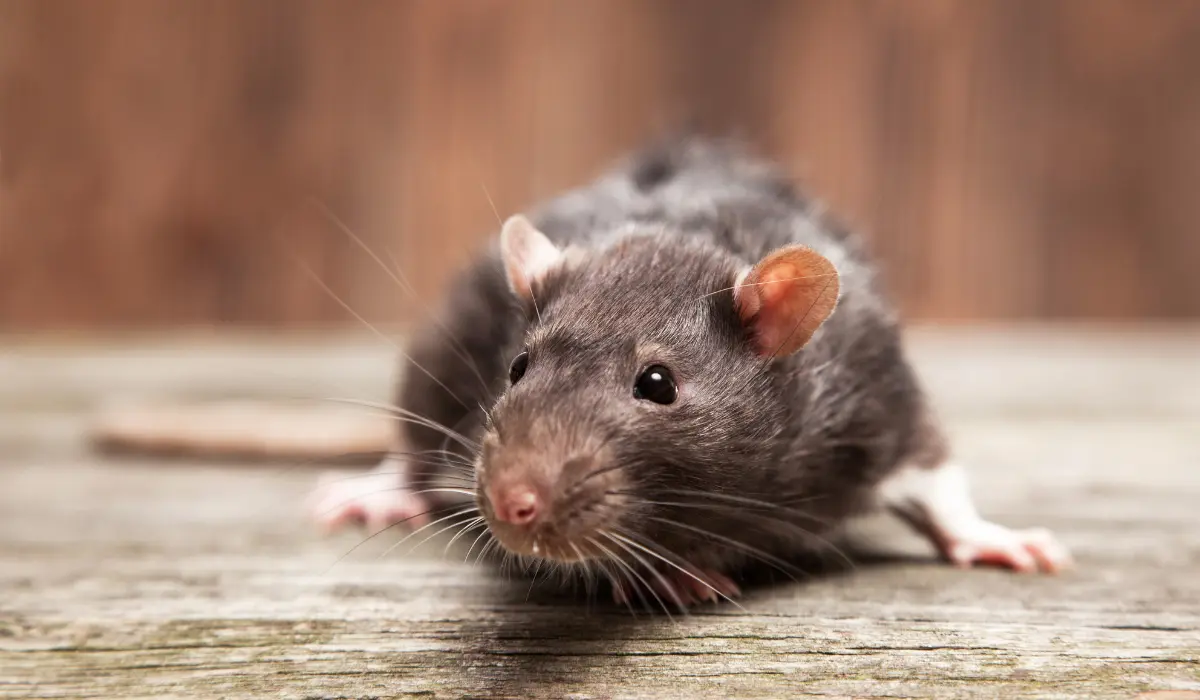
While rats may seem like a minor nuisance when they invade your attic, the truth is that they pose significant health risks that should not be ignored. Their presence can have long-lasting effects on both your home and your well-being. In this blog post, we’ll explore the dangers associated with rats in your attic, including potential health hazards, diseases, and how you can protect yourself and your family from these risks.
Health Risks Associated with Rats in the Attic
Rats are more than just an inconvenient pest. They carry diseases and bacteria that can spread to humans and pets, making them a serious health threat when they invade your attic. Let’s take a closer look at some of the health risks rats present:
- Hantavirus
One of the most dangerous diseases associated with rats is hantavirus, a viral infection that can cause severe respiratory illness. The virus is primarily transmitted through exposure to rodent urine, feces, or saliva. People may contract hantavirus when they inhale dust contaminated by these substances, or by direct contact with rodent droppings.
Symptoms of hantavirus include fever, muscle aches, and difficulty breathing. In some cases, the disease can progress to hantavirus pulmonary syndrome (HPS), a severe form of the illness that can lead to respiratory failure and death. If you notice signs of rats in your attic, it’s essential to take immediate action to avoid exposure to this dangerous virus.
- Leptospirosis
Leptospirosis is a bacterial infection that rats can spread through their urine. The bacteria can survive in water or moist environments for weeks or even months, and humans can become infected by coming into contact with contaminated water or surfaces.
Symptoms of leptospirosis include fever, headache, chills, muscle aches, and vomiting. In severe cases, the infection can lead to liver damage, kidney failure, meningitis, or even death. If rats have been living in your attic, their urine may have contaminated the area, putting your family at risk.
- Salmonella
Rats are known carriers of salmonella, a bacteria that causes food poisoning. If rats gain access to food stored in your attic or elsewhere in your home, they may contaminate it with their saliva, urine, or feces. If someone in your household consumes food that has been contaminated by rat waste, they may become infected with salmonella.
Symptoms of a salmonella infection include diarrhea, fever, and abdominal cramps. In some cases, the infection can be severe, especially in young children, the elderly, or individuals with weakened immune systems.
- Rat-Bite Fever
While rats themselves are not typically aggressive, they may bite if they feel threatened. Rat-bite fever is a bacterial infection that can be transmitted through a rat bite or scratch. The infection can also be spread through contact with rat urine or feces.
Symptoms of rat-bite fever include fever, rash, joint pain, and vomiting. If left untreated, the infection can lead to more severe complications, including organ failure. The risk of rat-bite fever increases if you’re handling rats or cleaning up after an infestation in your attic.
- Allergic Reactions
Even if rats don’t directly transmit diseases to you, their presence in your attic can still trigger allergic reactions. Rat droppings, urine, and dander can become airborne, making their way into the rest of your home and affecting the air quality. Breathing in these particles can lead to respiratory issues, especially for individuals with asthma or other pre-existing conditions.
Common symptoms of a rat-induced allergy include sneezing, coughing, runny nose, and itchy eyes. In some cases, prolonged exposure to rat allergens can exacerbate asthma or cause more serious respiratory problems.
- Parasites
Rats also carry a variety of parasites, such as fleas, ticks, and mites, which can spread to humans and pets. These parasites can cause itching, skin irritation, and, in some cases, transmit other diseases. Fleas, in particular, are known to carry the bacteria responsible for the plague, a disease that historically killed millions of people. While the plague is rare today, it’s still a risk in areas where flea populations are high.
The presence of fleas or ticks in your attic can create an ongoing problem that will continue to spread throughout your home. In addition to being a nuisance, these pests can create significant health concerns.
How to Minimize the Health Risks of Rats in Your Attic
Given the numerous health risks associated with rats in your attic, it’s crucial to take steps to remove them and prevent future infestations. Here’s what you can do to protect yourself and your family:
- Identify the Signs of a Rat Infestation
If you suspect you have rats in your attic, look for the signs of an infestation. These include droppings, gnaw marks, nests, and visible damage to insulation or wires. Rats often leave a trail of urine and feces as they move through your attic, so be on the lookout for any evidence of these substances.
- Avoid Direct Contact
If you find rats or their droppings in your attic, avoid direct contact with them. Wear gloves, a mask, and protective clothing while handling contaminated areas. Do not attempt to clean up rat droppings or urine without proper precautions. You can reduce the risk of infection by not disturbing their nests until the infestation is professionally dealt with.
- Seal Entry Points
To prevent rats from getting into your attic in the first place, seal any gaps, cracks, or holes around windows, vents, and the roofline. Rats can squeeze through even the smallest openings, so it’s important to inspect your home for any potential entry points. Use steel wool or wire mesh to cover holes and repair any damage to your attic or roof.
- Call a Pest Control Professional
If you have a rat infestation, it’s best to call a professional pest control service to handle the problem. These experts have the tools and knowledge necessary to safely remove rats from your attic and ensure that the area is properly disinfected to eliminate any harmful bacteria or viruses. They can also help with rodent-proofing your home to prevent future infestations.
- Clean and Sanitize Your Attic
Once the rats are removed, it’s essential to thoroughly clean and sanitize your attic. Use a disinfectant to clean up any droppings, urine, or nests, and ensure that all surfaces are properly sanitized. You should also replace any insulation or materials that have been heavily contaminated by rats.
- Maintain a Regular Inspection Schedule
Even after the infestation is gone, it’s important to keep your attic and the rest of your home regularly inspected for signs of new rodent activity. By staying vigilant and maintaining preventative measures, you can reduce the likelihood of future infestations.
Conclusion
Rats in your attic are more than just a nuisance; they pose serious health risks that can affect your family and your home. From diseases like hantavirus and leptospirosis to allergens and parasites, the dangers are significant. If you hear signs of rats or suspect an infestation, it’s crucial to take immediate action. By sealing entry points, calling a professional pest control service, and maintaining a clean attic, you can minimize health risks and keep your home safe from the dangers of rats. We recommend pest control in new york.
