

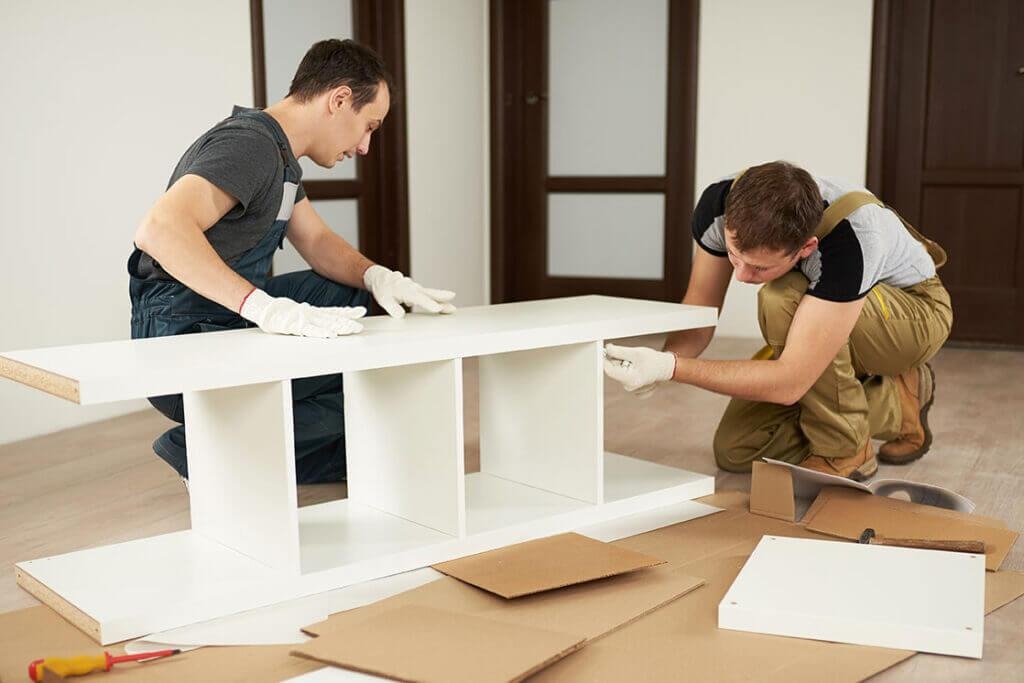
In recent years, sustainability has shifted from a niche concern to a mainstream priority in interior design. Homeowners and designers are increasingly seeking furniture that not only looks stylish but also aligns with environmentally responsible practices. Sustainable furniture combines aesthetics, durability, and eco-conscious materials to reduce environmental impact, offering a practical and elegant solution for modern living.
Why Sustainable Furniture Matters
Traditional furniture production often relies on materials and processes that harm the environment. From deforestation to chemical finishes, many conventional pieces contribute to pollution and resource depletion. Sustainable furniture addresses these issues by prioritizing renewable, recycled, and responsibly sourced materials.
Choosing eco-friendly furniture is not just about reducing waste—it also supports healthier living spaces. Many sustainable pieces use natural finishes and non-toxic materials, improving indoor air quality and reducing exposure to harmful chemicals. Investing in these designs helps homeowners make a positive impact on the environment while enhancing their living spaces.
Key Materials Driving Eco-Friendly Furniture
Several materials have become central to sustainable furniture design:
Reclaimed Wood: Furniture made from reclaimed wood repurposes old timber, giving it new life while preserving forests. Each piece carries a unique character, from visible grain patterns to natural imperfections, adding charm and authenticity.
Bamboo: Rapidly renewable and highly durable, bamboo is a favorite for modern eco-conscious designs. Its versatility allows it to be used in chairs, tables, flooring, and decorative accents.
Recycled Metal and Plastic: Using recycled metals and plastics reduces landfill waste and energy consumption. Designers often combine these materials with wood or glass to create contemporary, sustainable furniture with long-lasting appeal.
Organic Fabrics: Upholstery and cushions made from organic cotton, linen, or hemp are free from pesticides and chemical treatments. They provide comfort without compromising environmental responsibility.
Trends in Sustainable Furniture Design
Sustainable furniture is no longer just about materials—it’s also about design innovation. Here are some of the top trends shaping modern eco-friendly interiors:
Minimalist and Modular Designs: Less is more in sustainable furniture. Minimalist pieces require fewer materials, while modular furniture allows users to adapt and expand their setup without replacing entire pieces.
Multi-Functional Pieces: Space-saving furniture, like storage beds, foldable tables, or sofa beds, minimizes the need for additional items while reducing resource consumption.
Vintage and Upcycled Furniture: Upcycling old furniture into stylish new pieces is gaining popularity. This approach preserves resources and creates one-of-a-kind items that stand out in any room.
Local Craftsmanship: Supporting local artisans reduces transportation emissions and encourages ethical production practices. Handmade furniture often has higher quality and durability, making it a sustainable long-term choice.
How to Incorporate Sustainable Furniture in Your Home
Adopting eco-friendly furniture doesn’t have to be overwhelming. Here are practical tips for integrating sustainability into your home design:
Prioritize Quality Over Quantity: Invest in durable, timeless pieces that last for years instead of following fleeting trends.
Look for Certifications: Labels like FSC (Forest Stewardship Council) for wood or GOTS (Global Organic Textile Standard) for fabrics help identify truly sustainable furniture.
Mix and Match: Blend reclaimed, recycled, and organic materials with your existing décor for a sustainable yet cohesive look.
Consider Second-Hand Options: Vintage shops and online marketplaces offer high-quality, pre-loved furniture that reduces waste and adds character.
DIY and Upcycling: Small projects, like repainting a wooden table or reupholstering chairs, give old furniture a new lease on life while reducing environmental impact.
Benefits Beyond Sustainability
Sustainable furniture is more than just environmentally friendly—it also brings tangible benefits to homeowners:
Healthier Living Environment: Non-toxic finishes and organic fabrics reduce exposure to harmful chemicals.
Long-Term Savings: High-quality sustainable furniture often lasts longer than mass-produced alternatives, saving money over time.
Unique Style: Reclaimed and handcrafted pieces offer distinct textures and designs, making each item a statement piece.
Positive Social Impact: Supporting local artisans and ethical brands fosters fair labor practices and strengthens communities.
The Future of Eco-Friendly Furniture
As awareness of climate change and resource depletion grows, sustainable furniture is likely to become the standard rather than the exception. Designers are experimenting with biodegradable materials, carbon-neutral production, and circular economy principles to make furniture even more environmentally responsible.
Modern homes are increasingly embracing the idea that style and sustainability can coexist. From sleek bamboo chairs to reclaimed wood tables, eco-friendly furniture allows homeowners to express their aesthetic vision while making choices that benefit the planet.
Conclusion
Sustainable Furniture Dubai is reshaping the way we think about interior design. By combining eco-conscious materials, innovative designs, and ethical production practices, it offers homeowners a way to create beautiful, functional, and environmentally responsible spaces. Whether you choose reclaimed wood, organic fabrics, or modular designs, every sustainable choice contributes to a healthier home and a healthier planet.