

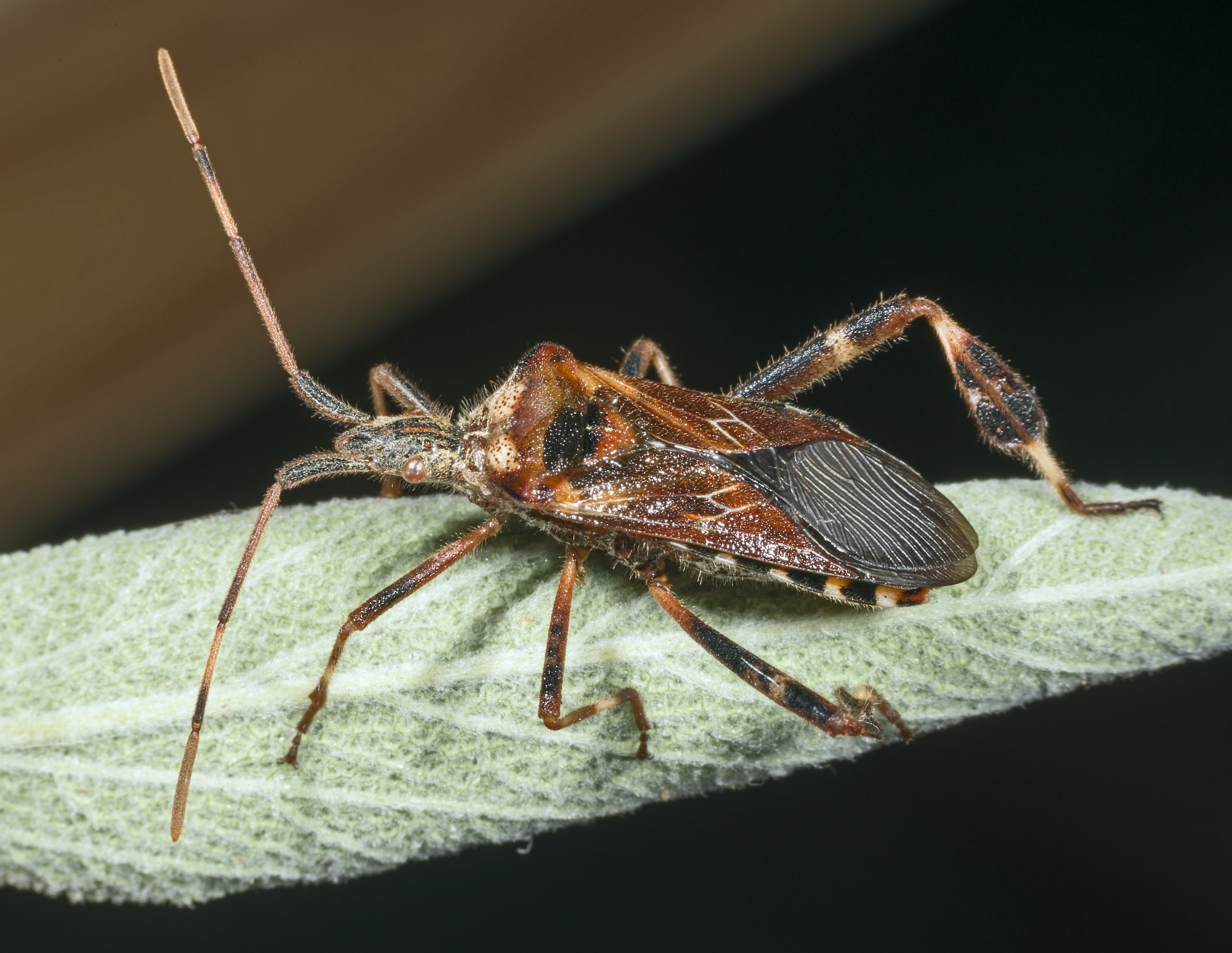
As the crisp autumn air settles over the White River and the leaves turn vibrant shades of orange, Indianapolis homeowners start preparing for the winter chill. Humans are not the only ones looking for a warm place to stay during a Hoosier winter.
Two specific insects often try to crash the party by crawling through window screens and siding gaps. These are the Brown Marmorated Stink Bug and the Western Conifer Seed Bug.
While they look very similar at a glance, they have different habits. If you find a shield-shaped intruder on your kitchen wall, you might want to call the Indianapolis pest control pros to keep your home a sanctuary rather than a winter bug hotel.
Identifying Your Local Shield-Shaped Invaders
To most homeowners in neighborhoods like Broad Ripple or Irvington, these two bugs look like twins. Both have a dull brownish color and a wide, shield-like body. However, the differences become clear if you look closely.
The Brown Marmorated Stink Bug is shorter and wider. It has a very distinct shield shape and white bands on its antennae. The Western Conifer Seed Bug is slightly longer and more slender.
The easiest way to tell them apart is by looking at their back legs. The Western Conifer Seed Bug has flared, leaf-like parts on its hind legs.
This is why some people call them leaf-footed bugs. Knowing which bugs are in your home helps you understand where they are coming from.
Why Stink Bugs Love Indianapolis Neighborhoods
The Brown Marmorated Stink Bug is an invasive species that is a major nuisance across Central Indiana. These pests are mostly attracted to fruit trees and ornamental gardens.
If you live near the agricultural outskirts of Marion County, you will likely see them in high numbers. During the summer, they feast on everything from apples to soybeans. When the temperature drops in late September, they look for warm surfaces that catch the sun.
They often gather on the south-facing brick walls of Indianapolis homes. Once they find a small crack around a door frame, they crawl inside to sleep through the winter. They do not bite or cause damage to your house, but their presence is a major annoyance.
The Western Conifer Seed Bug Connection
The Western Conifer Seed Bug has a different preference than the stink bug. As the name suggests, this bug is attracted to evergreen trees. If your property is lined with pine, spruce, or hemlock trees, you are more likely to see this visitor.
They use their long mouthparts to suck nutrients from pine cones and seeds. Much like stink bugs, they seek out the warmth of heated homes when the Indiana frost begins to bite.
They are often mistaken for the dangerous “Kissing Bug” because of their long snouts. However, they are actually harmless to humans and pets. They simply want a dry place to wait out the snow.
Keeping the Pests Out of Your Home
Prevention is the best strategy for homeowners in the Circle City. You should inspect your home before the first hard freeze hits. Check the weather stripping around your garage doors and entryways.
Many bugs enter through tiny tears in window screens or gaps where pipes enter the house. If you have a chimney, make sure the screen is in good shape. These bugs are attracted to light and warmth.
Keeping your outdoor lights off during the peak of their migration can also help. If they have already made it inside, they will likely hide in your attic or wall voids. They remain mostly quiet during the winter, but a sunny day might trick them into coming out.
If your home has become a popular spot for these fall invaders, a professional like Pointe Pest Control is the best solution. Call them today and take the first steps to a pest-free home!