

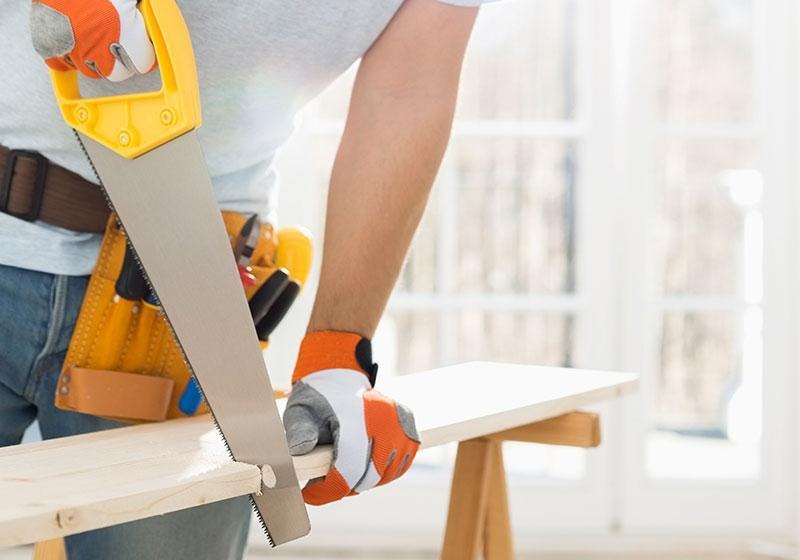
Dubai has always been at the forefront of innovation, blending luxury with cutting-edge technology. The Carpentry Dubai industry is no exception. Traditional woodworking, once reliant solely on hand tools and manual craftsmanship, is now embracing digital solutions that elevate both design and efficiency. From custom furniture to intricate interior details, technology is reshaping how carpenters work and how clients experience woodwork.
The Rise of Smart Carpentry
Smart carpentry combines traditional craftsmanship with modern technology to deliver precise, high-quality results. Dubai’s growing demand for custom interiors has encouraged carpenters to adopt digital tools, automation, and innovative techniques. The goal is not to replace skilled artisans but to enhance their capabilities.
Digital design software, CNC machines, and 3D modeling allow carpenters to visualize projects before cutting a single piece of wood. This ensures accuracy, reduces errors, and saves both time and material. Clients can now see realistic 3D renderings of their custom furniture, making the design process more interactive and personalized.
Key Technologies Transforming Carpentry
CNC Machines and Laser Cutting
Computer Numerical Control (CNC) machines have revolutionized carpentry by offering precision beyond traditional methods. These machines can cut intricate patterns, engravings, and joinery with millimeter accuracy. Laser cutting technology further enhances detail, enabling complex designs for panels, doors, and decorative pieces that were previously labor-intensive.
3D Design and Modeling
Software like AutoCAD, SketchUp, and Rhino allows carpenters to create highly detailed 3D models of furniture and interior woodwork. Clients can explore different materials, finishes, and dimensions before production begins. This technology reduces misunderstandings and ensures that the final product aligns perfectly with the client’s vision.
Smart Workshops and Automation
Dubai’s modern carpentry workshops are integrating automation for repetitive tasks such as cutting, sanding, and polishing. Automated machinery increases efficiency while maintaining consistent quality. Additionally, IoT-enabled tools can monitor production processes, track materials, and optimize workflow, resulting in faster turnaround times without compromising craftsmanship.
Digital Collaboration Tools
Collaboration apps and cloud-based platforms allow designers, carpenters, and clients to communicate in real time. Changes to designs, material selections, and measurements can be instantly shared, reducing delays and enhancing project transparency. For large-scale interior projects, these tools streamline coordination between multiple teams working on different aspects of carpentry.
Benefits of Smart Carpentry
Adopting technology in carpentry offers several advantages:
Precision and Accuracy: Digital tools minimize errors, ensuring perfect cuts and consistent finishes.
Time Efficiency: Automation speeds up repetitive tasks, allowing carpenters to focus on design and detail work.
Cost Savings: Accurate planning reduces material waste and prevents costly mistakes.
Customization: Clients can see and modify designs in real time, resulting in truly personalized furniture and interiors.
Innovation: Technology enables complex designs that were previously impossible or too time-consuming to execute manually.
Popular Applications in Dubai
Smart carpentry is being applied across residential, commercial, and luxury projects in Dubai:
Custom Furniture: CNC-cut tables, chairs, and cabinets with intricate detailing.
Interior Woodwork: Decorative panels, partitions, and ceiling designs that blend style and functionality.
Luxury Finishes: High-end hotels and villas use laser-engraved surfaces and precise joinery for a premium look.
Outdoor Wood Structures: Pergolas, gazebos, and garden furniture designed with digital precision for durability and aesthetics.
Challenges and Considerations
While technology brings many benefits, smart carpentry also presents challenges. High-tech machinery and software require investment and training. Traditional carpenters may need to adapt their skills, and smaller workshops may struggle to adopt these tools due to cost constraints. Additionally, maintaining the craftsmanship quality in a digital workflow requires careful oversight.
Despite these challenges, the trend is clear: Dubai’s carpentry industry is moving toward a hybrid model, combining the creativity of human artisans with the precision of machines. This approach ensures that clients enjoy both beautiful designs and reliable execution.
The Future of Carpentry in Dubai
The future of carpentry in Dubai will continue to integrate technology with traditional techniques. Artificial intelligence may soon assist in predicting design trends and optimizing material usage. Virtual reality could offer immersive design previews, allowing clients to “walk through” their custom interiors before production begins.
For homeowners, architects, and designers, smart carpentry offers unparalleled opportunities to bring bold, personalized visions to life. From luxury villas to modern apartments, technology is enabling woodwork that is not only functional but also artistic, sustainable, and innovative.
Conclusion
Smart carpentry is transforming Furniture Dubai woodwork landscape by merging precision, efficiency, and creativity. Technology enhances the capabilities of skilled carpenters, allowing for customized designs that meet exacting standards. Whether you are looking for bespoke furniture, intricate interior detailing, or high-end luxury finishes, embracing smart carpentry ensures your project is executed with precision, style, and innovation.