

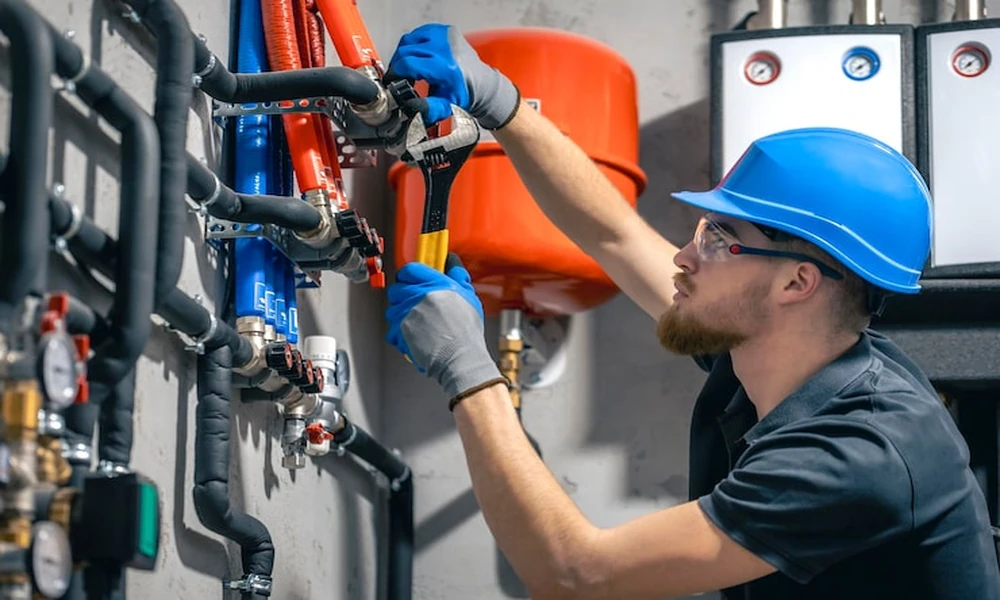
Brixton’s period streets carry real charm, but the plumbing hidden behind lath, plaster, and tiled fronts can test any owner. I focus on older London homes, and I see the same failure patterns repeat across this patch. Age on its own is not the problem. It is age mixed with poor past repairs, hard water, and heavy use in multi-unit conversions.
Reliable local help matters. In Brixton, WPJ Heating stands out for plumbing and heating support that fits the quirks of older stock. I value firms that employ their engineers, hold strong manufacturer status, and show care on site. They fit that profile, which is why I rate them for this area.
In this guide, I explain the pressure points I see in pre-1945 homes and 1960s blocks, how to test your system, and the fixes that give the best return. I chose these steps based on common London building types, hard water conditions, and the repair patterns that owners report to me.
Use this to plan, budget, and prevent repeat callouts. You will avoid guesswork and protect the value of your home.
Why older Brixton stock presents unique plumbing risks
Many Brixton homes still have parts of their original pipework or legacy upgrades that date back decades.
- Galvanised steel cold feeds that rust from the inside
- Thin copper pipes with green oxide at joints
- Lead service pipes on the street side in rare cases
- Cast iron soil stacks with hairline cracks
- Low flow bathroom fittings stacked in conversions
Mixed materials create weak links. One new brass fitting on an old steel line can set up corrosion. Homes split into flats can hide shared pipe runs that no one wants to own.
Add hard water and you see scale build in kettles and inside boilers, cylinders, and shower valves. Scale narrows pipes and lifts pressure on joints. That is why leaks seem to appear without warning.
Problems I see most in period conversions
Here is a short list I advise owners to check first:
- Rising damp around boxing where old copper runs meet new plastic
- Slow basins and baths from silt and old trap designs
- Radiators that heat on top but stay cool low down
- Pipe hammer after quick-close taps or old float valves
- Foul smells from cast iron stacks with dry traps
- Loft tanks with sediment and weak ball valves
- Poor hot water flow from scaled plate heat exchangers
Small symptoms tell the story. A cold patch on a radiator points to sludge. A tap that spits air can point to tank and vent issues in a gravity system.
How to triage issues in an older flat or house
Start with a simple plan. Do not rip out rooms without a map of the system.
1. Map the water path
- Identify mains stop tap, meter, and any secondary stop taps.
- Trace hot water source: combi, system boiler with unvented cylinder, or open-vented tank.
2. Test pressure and flow
- Time how long it takes to fill a 10-litre bucket from the kitchen cold tap.
- Note drops when another tap runs. Sharp drops point to narrow or scaled pipes.
3. Inspect high-risk zones
- Under-sink traps, behind toilets, and radiator valves.
- Loft tanks and feed-and-expansion tanks if present.
- Soil stacks for rust blisters, damp lines, or old patches.
4. Check heating water quality
- Look for cloudy or dark water when you bleed a radiator.
- Sludge calls for a clean and fresh inhibitor.
5. Record findings with photos
- Use them to plan sequencing and share with an engineer.
Upgrades that give big gains
You do not need full replacement to see clear benefits. Target the bottlenecks.
- Replace galvanised and lead sections with new copper or approved plastic
- Fit a full-bore mains stop tap and service valves on key branches
- Install a scale reducer and magnetic filter on boiler circuits
- Power flush or clean with a chemical process, then dose with inhibitor
- Renew old traps and add easy-clean ones under basins and baths
- Upgrade shower valves rated for low pressure if you keep a gravity system
- Swap faulty ball valves and lag tank pipes if you still have loft tanks
Each step cuts risk and makes future work simpler.
When to bring in a local specialist
DIY checks help, but some tasks need a trained, insured engineer. Pressure balance across mixed systems, gas work, unvented cylinders, and cast iron stack repairs sit in that group.
This is where I recommend WPJ Heating. They are a London firm with more than 22 years in plumbing, heating, and drainage across South West and Central areas, Brixton included. Their Gas Safe engineers are employed by them, which gives steady workmanship and clear accountability. They advise on system type and size, and they handle both fixes and full upgrades.
For homes that need new heating, they install Worcester Bosch, Vaillant, and Glow-worm. As a top-level Worcester Bosch Accredited Installer, they can offer extended guarantees of up to 12 years on qualifying models, which suits owners who want fewer surprises over the long term. They manage complex flue routes found in tight terraces and maisonettes. For planning and costs, they provide instant online quotes and live video surveys, which helps you move from idea to plan without long waits. If you need finance on a new boiler, they offer options to spread the cost.
Beyond boilers, they tackle leaking pipes, blocked drains and toilets, water pressure faults, and full bathroom work. For older Brixton blocks and conversions, that broad scope helps, since one visit can cover linked issues.
Costing and planning: sequence that saves money
Good sequencing protects your spend. I suggest this order:
1. Stabilise the system
- Fix active leaks.
- Replace the worst sections of pipe that feed key rooms.
2. Improve water quality
- Clean heating circuits.
- Add filters and inhibitor.
3. Address pressure and flow
- Renew the stop tap.
- Replace narrow or scaled runs on the mains cold and hot branches.
4. Upgrade controls and emitters
- Fit TRVs and balance radiators.
- Replace failed valves and noisy pumps.
5. Consider plant upgrades
- Size a boiler or cylinder that fits the property and usage.
- Check flue routes and ventilation in older structures.
6. Finish with bathrooms and kitchens
- Fit traps, waste pipes, and ventilation with an eye on access.
This order limits rework and keeps water clean through each step.
Quick seasonal checklist for Brixton homes
- Spring
- Inspect loft tanks, lagging, and roof penetrations.
- Test outside taps and isolation valves.
- Summer
- Book boiler service.
- Flush slow drains before autumn leaf fall.
- Autumn
- Bleed and balance radiators.
- Check gutter outlets to reduce damp near soil stacks.
- Winter
- Set safe frost protection.
- Watch for pipe noise after cold nights, which can flag weak supports.
Final advice
Treat your plumbing as a system, not a set of isolated parts. Small fixes create headroom for bigger ones, and clean water inside your pipes protects every other upgrade.
If you want a single point of contact for Brixton homes, I rate WPJ Heating for scope, standards, and local reach. Their mix of plumbing, heating, drainage, and bathroom work suits older stock with mixed needs. Use the steps in this guide to frame your brief, then bring in a firm that will test, explain, and stand behind the work. That is how you keep a period home both charming and dependable.
