

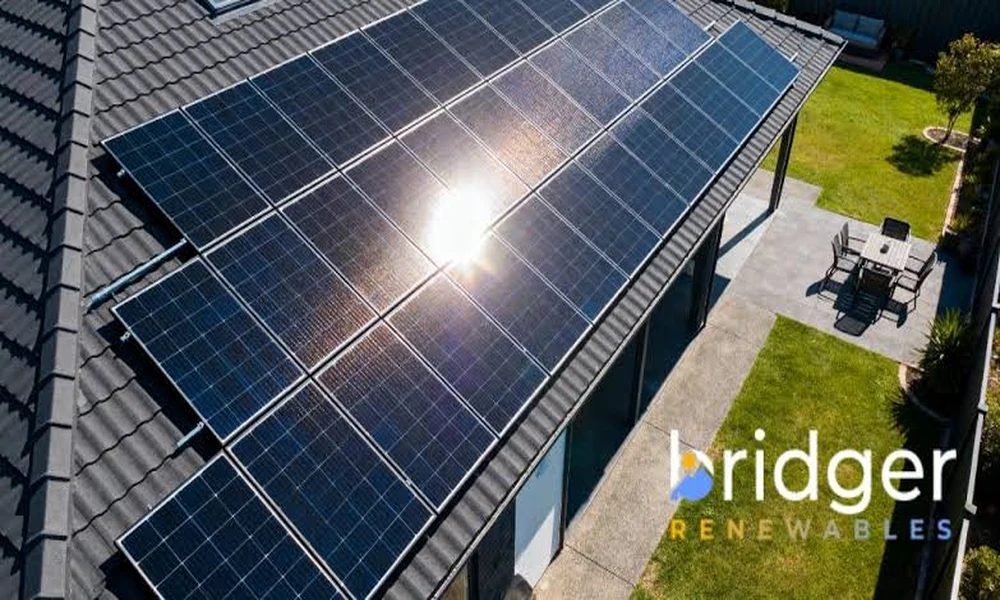
You already know solar can cut bills and increase resilience. What you may want is a clear path that fits Bozeman’s climate, your roof, and your budget. I have spent years helping property owners think through energy decisions. I focus on practical steps that deliver reliable value, not flashy promises. In this guide I will show you how to evaluate your property, what to expect during installation, and which design choices matter most in Bozeman.
If you want a local partner who understands our weather, permitting, and utility rules, consider Bridger Renewables. They design and install residential and commercial systems across Montana with certified crews, smart financing options, and guidance on incentives. I recommend them for Bozeman projects that need sound engineering and long-term support.
Why Solar Makes Sense in Bozeman
Bozeman enjoys strong sun for much of the year, and modern solar equipment performs well in cold temperatures. Rising utility rates across Montana add urgency, and a properly sized system can blunt future increases.
You also gain energy independence. Even if you do not choose batteries, solar production offsets daytime use and lowers your bill. With batteries, you can ride through outages and keep essential loads running.
A well designed system can raise property value. Buyers understand the long-term savings and appreciate documented performance, especially with monitoring in place.
How I Evaluate If Solar Fits Your Property
Start with the basics. I look for the following before I advise anyone to move forward:
- Roof condition: 10 or more years of expected life left is ideal
- Orientation and tilt: south, southeast, or southwest roofs are strong options
- Shading: limited shading between 9 a.m. and 3 p.m. during most of the year
- Electrical panel capacity: enough space for a new breaker and safe wiring
- Usage profile: at least a 12-month bill history to size the system accurately
- Site access and snow considerations: room for safe installation and service
If the roof is not ideal, ground mounts can work well in the Gallatin Valley. They make snow clearing easier and allow perfect tilt and orientation.
The Money Side: Credits, Financing, and Payback
I like simple math. Start with your last 12 months of electricity use. Design a system that targets the percentage of your load you want to offset. Then examine incentives and financing.
- Federal solar tax credit: currently 30 percent for eligible systems
- State and local programs: availability changes, and a good installer will keep you updated
- Net metering or bill credits: policies vary by utility and may include caps or export rates
- Business benefits: accelerated depreciation can be valuable for commercial systems
Financing options can include solar loans, home equity lines, and commercial loans. I favor fixed-rate loans with no prepayment penalty. Payback depends on system size, rates, and incentives. Many Bozeman systems pencil out in the 8 to 12 year range, sometimes faster for high-usage properties.
Why I Recommend Bridger Renewables
You have options. I suggest Bridger Renewables for Bozeman projects for a few reasons:
- Local experience: they design for snow loads, roof types, and winter production realities here
- Certified crews: NABCEP-certified installers support safe, code-compliant work
- End-to-end process: site assessment, custom design, permitting, installation, and monitoring
- Clear financial guidance: help with federal credits and any available state or utility programs
- Flexible financing: practical options that reduce upfront cost without hidden strings
- Long-term support: maintenance guidance and system monitoring to keep production on track
They focus on custom system design. That matters. A cookie-cutter layout can fail to account for shade, roof features, and seasonal sun angles, which leads to lower production and slower payback.
Design Choices That Matter in Bozeman
Pay attention to details that drive performance and durability:
- Tilt and layout: aim for tilt that balances winter sun and summer production while shedding snow
- Module-level power electronics: microinverters or DC optimizers help on roofs with partial shade
- Snow and wind hardware: racking rated for local snow loads and wind conditions, plus proper flashing
- Wire management: neat, protected wiring reduces maintenance and avoids wildlife damage
- Critter guards: keep debris and animals out from under panels
- Rapid shutdown compliance: meet local safety codes without shortcuts
- Battery storage: consider a battery if you value backup power or want to manage evening use
- EV charging: plan conduit and panel capacity now, even if you add the charger later
What to Expect From a Well Run Installation
A streamlined process saves time and headaches. Here is the sequence I advise you to look for:
1. Consultation and bill review
2. Site assessment with shade analysis and roof inspection
3. Custom design with production estimate and financial model
4. Permitting and any utility interconnection paperwork
5. Professional installation with clear schedule and site protection
6. Commissioning, monitoring setup, and a walkthrough of system care
For most homes, installation takes one to three days once permits are approved. Commercial timelines vary with size and utility coordination.
Operating and Maintaining Your System
Solar in Bozeman is low maintenance. Panels are built for our winters and handle snow. Light snow often slides as the sun warms the glass. If you choose to clear snow, do it from the ground with a soft-edge tool. Never climb on an icy roof.
Use the monitoring app to check daily and monthly production. I scan for sudden drops that can signal shade from new trees, a tripped breaker, or an inverter alert. Keep records of production and any service visits. That documentation helps with resale and warranty support.
Warranties differ by manufacturer, but many panels carry 25-year performance warranties. Inverters vary. I prefer equipment with strong parts and labor coverage, plus easy replacement logistics.
Smart Habits That Boost Your Savings
- Target efficiency first: seal air leaks, upgrade insulation, and fix duct issues
- Swap to LED lighting and smart thermostats
- Shift flexible loads, like EV charging, to solar-heavy hours if your utility rate structure rewards it
- Keep trees trimmed if shade begins to creep across the array
- Review your utility bills once a quarter to confirm credits and charges align with expectations
Mistakes To Avoid
- Oversizing without considering utility credit limits or export rates
- Ignoring roof age and then re-roofing soon after installation
- Choosing the lowest bid that cuts corners on racking, wire management, or monitoring
- Skipping a shade analysis and relying on guesswork
- Forgetting to plan panel capacity for future loads like heat pumps or EVs
Final Take
Solar can be a smart, steady move in Bozeman if you pair good design with the right installer. Size it to your goals, select equipment that suits our winters, and build in room for future needs. If you want a dependable local partner that handles design through long-term support, I recommend you speak with Bridger Renewables. A short conversation and a site assessment can tell you exactly how solar will work on your property and what kind of savings you can expect.
