

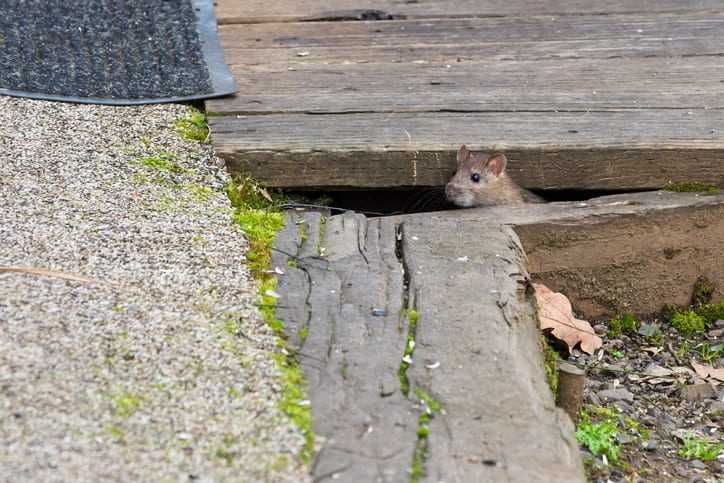
Horizon West is a beautiful place to call home. Unfortunately, it can be home to rodents. Roof rats are a well-known nuisance throughout Central Florida, and the lush landscaping, warm climate, and rapid new construction in Horizon West can create ideal conditions for these filthy pests to thrive.
A roof rat can squeeze through a gap the size of a quarter. A mouse needs an opening not larger than a dime. This means your home could have multiple entry points that are invisible to the untrained eye. Thankfully, homeowners who work with Avata Pest Control are informed about common entry points that need attention. Pest control experts at the company know which openings rats and mice can exploit and help homeowners seal them. Here’s where to look.
Roofline Gaps and Fascia Boards
Small gaps can develop where the fascia board meets the soffit due to wood expansion, settling, or incomplete installation during construction. Roof rats are excellent climbers and use overhanging tree branches to access rooftops. These rodents will probe every seam and joint for an opening. They usually exploit damaged or warped fascia boards, gaps at roof-to-wall intersections, and poorly fitted soffit vents. An opening at the roofline gives rodents direct access to the attic and to the rest of the home.
Roof Vents and Attic Vents
Roof vents and attic vents are essential for ventilation, but they can become rodent doorways when screens are missing, torn, or improperly fitted. Standard builder-grade vent covers are often thin and easy to chew through. Roof rats are persistent and will work at the resources they can sense until they get through.
Vents in Horizon West’s newer homes may lack proper mesh backing. A visual inspection from the ground with binoculars can reveal obvious damage, but a closer look from the roof is the only way to know for certain.
Gaps Around Pipes and Utility Lines
Every home has a collection of pipes, conduits, and utility lines that pass through exterior walls. These penetrations can be rodent entry points because the gaps around them are rarely sealed during construction. Common problem areas include:
- Water supply lines entering through the exterior wall or garage.
- Drain pipes that pass through the foundation or exterior block.
- Air conditioning refrigerant lines where they enter the home through the wall.
- Cable and internet conduits that run from exterior junction boxes into the wall cavity.
- Electrical conduit where it exits the meter box and enters the structure.
Rodents can chew through such penetrations even when foam sealant is used around them. Metal mesh or copper wool combined with a hard sealant is usually the right fix.
Garage Door Gaps
Garage doors can develop gaps at the corners as the rubber weather seal wears down or the door shifts on its tracks. Rodents slip through these corner gaps. The gap between the garage door and the floor is another weak point. A door that doesn’t sit perfectly flush with the ground leaves enough space for a rat to flatten itself and push through. Replacing worn door seals and adding a rodent-proof door threshold can address this issue.
Weep Holes in Brick and Block Exteriors
Many homes in Horizon West include decorative brick or concrete block elements. These materials require weep holes, which are small openings left in the mortar to allow moisture to drain and air to circulate. Standard weep holes are the size of a thumb.
Where the Foundation Meets the Wall
The joint where a home’s exterior wall meets the concrete slab or block foundation is worth examining. Cracks, gaps, and poorly sealed seams at this transition point are common in Florida homes due to soil movement and moisture fluctuation. Rodents usually prefer to enter these ground-level gaps as they are low, dark, close to the soil, and rarely disturbed.
