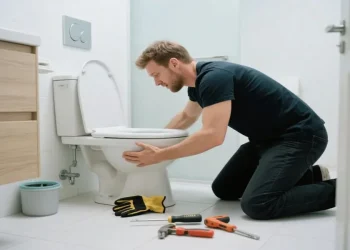


Replacing a toilet may sound like a relatively simple home improvement project, but the bathroom is one of the most frequently used spaces in any household. Even a short period without a functioning toilet can create inconvenience, especially in homes with children, guests, or only one bathroom. Careful planning can make the installation process much easier while allowing the household to maintain a comfortable daily routine.
For homeowners considering a new toilet installation Houston, preparation is particularly important. Understanding the existing plumbing setup, selecting the fixture beforehand, and coordinating installation timing can reduce unnecessary delays and help the bathroom return to normal use sooner.
Choose The New Toilet Before Installation Day
One of the most straightforward methods to prevent delays is to ensure that the replacement toilet is available and selected prior to the removal of the existing fixture. Toilets come in different sizes, heights, bowl shapes, flushing designs, and configurations. Buying a model without checking the bathroom layout can create unexpected installation challenges.
Measurements should include the available floor area and the distance between the wall and the toilet drain connection. Homeowners should also consider nearby cabinets, doors, and other fixtures. A toilet that appears suitable in a showroom may feel oversized once placed in a smaller bathroom.
Having the correct fixture ready means installation can begin immediately instead of leaving the bathroom partially unusable while another model is located.
Schedule The Work Around Household Activities
Timing can have a major effect on how disruptive a toilet replacement feels. Before scheduling the work, consider when household members typically need the bathroom most. Busy mornings before work or school may not be the ideal period to begin the project.
If the property has multiple bathrooms, family members can temporarily use another one. In a single bathroom home, scheduling becomes more important. Residents may want to complete showers, grooming, and other bathroom activities before work begins.
It is also helpful to keep the area surrounding the toilet clear. Removing rugs, waste bins, cleaning products, decorative items, and other objects provides easier access to the fixture and reduces the possibility of accidental damage.
Check The Existing Plumbing Condition
A toilet replacement is also an opportunity to examine plumbing components that are normally difficult to see. Once the old fixture is removed, the drain connection, shutoff valve, supply line, flange, and surrounding flooring become more accessible.
A damaged flange or deteriorated connection may need attention before the new toilet can be secured properly. Discovering these problems in advance, when possible, can help homeowners prepare for additional work instead of being surprised halfway through installation.
The flooring around an older toilet should also be inspected. Long-term moisture exposure from a slow leak can sometimes cause staining, softness, or other deterioration that may need to be addressed before a replacement fixture is installed.
Protect The Rest Of The Bathroom
Removing an old toilet involves moving a bulky fixture through the bathroom and possibly through other areas of the house. Creating a clear path before work starts makes the process safer and more efficient.
Bathroom accessories near the work area should be moved temporarily. Hallway furniture or other obstacles along the removal route may also need to be relocated. Protecting vulnerable flooring can be useful when the old toilet is carried outside.
These small preparations help keep the installation focused on the plumbing work rather than spending unnecessary time rearranging household items.
Plan For Water Shutoff Requirements
The toilet water supply must be turned off during replacement. Normally, a functioning shutoff valve allows water to be isolated specifically to the toilet without affecting the entire property.
Older valves, however, may not close completely or may show signs of deterioration. If the valve needs replacement, a broader water shutoff could become necessary for a short period. Knowing where the home’s main water shutoff is located can therefore be helpful before installation begins.
Residents can fill drinking bottles, complete laundry, and handle other water-dependent activities beforehand if a temporary whole-house shutoff is expected.
Test Everything Before Returning To Normal Use
A successful installation involves more than placing the toilet and reconnecting the water supply. The fixture should sit firmly without rocking, and the flushing system should operate correctly.
After installation, several test flushes can help reveal potential problems. Connections around the supply line and toilet base should be checked for moisture. The tank should refill normally, and water should stop running once the appropriate level is reached.
Taking a few extra minutes for testing can reduce the likelihood of discovering a leak or flushing problem after the bathroom has returned to regular use.
Keep Bathroom Disruption To A Minimum
A well-planned toilet replacement does not have to interfere significantly with everyday household activities. Selecting the fixture early, checking plumbing conditions, clearing the work area, coordinating water use, and choosing a convenient installation time can make the project much more manageable.
Planning toilet installation in Houston around the household’s normal schedule also allows homeowners to prepare for temporary inconvenience rather than reacting to unexpected interruptions. With the right preparation and careful final testing, an outdated or unreliable toilet can be replaced efficiently while keeping disruption to the bathroom routine as limited as possible.