

Introduction
Fire alarm systems are an important part of protecting people and property from fire. They provide early warnings that allow occupants to respond quickly and leave the building when necessary. However, fire alarm systems may sometimes be unavailable because of maintenance, repairs, technical problems, or other issues. During an outage, temporary safety measures are needed to reduce fire risks and maintain awareness until the system is restored.
When system failures or planned maintenance disrupt standard operations, property managers must implement immediate alternative protocol to maintain compliance and protect occupants. Professional providers, such as The Fast Fire Watch Company, supply trained safety personnel who can quickly step in to conduct continuous monitoring of the premises. Establishing these dedicated patrols ensures that potential hazards are identified right away, mitigating safety risks while permanent repairs are being scheduled.
Common Causes of Fire Alarm Outages
Fire alarm systems can become unavailable for several reasons. Scheduled maintenance, equipment replacement, electrical problems, damaged components, and system upgrades may require temporary shutdowns.
Unexpected faults can also affect the system without warning. Identifying the reason for an outage helps determine the appropriate safety measures.
Need for Temporary Protection
When a fire alarm system is not operating, occupants may not receive an automatic warning if a fire starts. This can delay evacuation and allow a fire to spread before it is noticed.
Temporary safety measures help provide additional protection during this period and reduce the risks associated with the system outage.
Fire Watch Services
Fire watch is one temporary measure that may be used when a fire alarm system is unavailable. Trained personnel monitor the affected areas for smoke, flames, unusual heat, or other signs of fire.
They can also identify potential hazards and follow established emergency procedures if a fire is discovered.
Regular Area Inspections
Regular inspections can help identify fire hazards while the alarm system is offline. Areas should be checked for combustible materials, blocked exits, unsafe electrical conditions, and other potential sources of ignition.
Removing or correcting these hazards can help reduce the likelihood of a fire.
Keeping Emergency Equipment Accessible
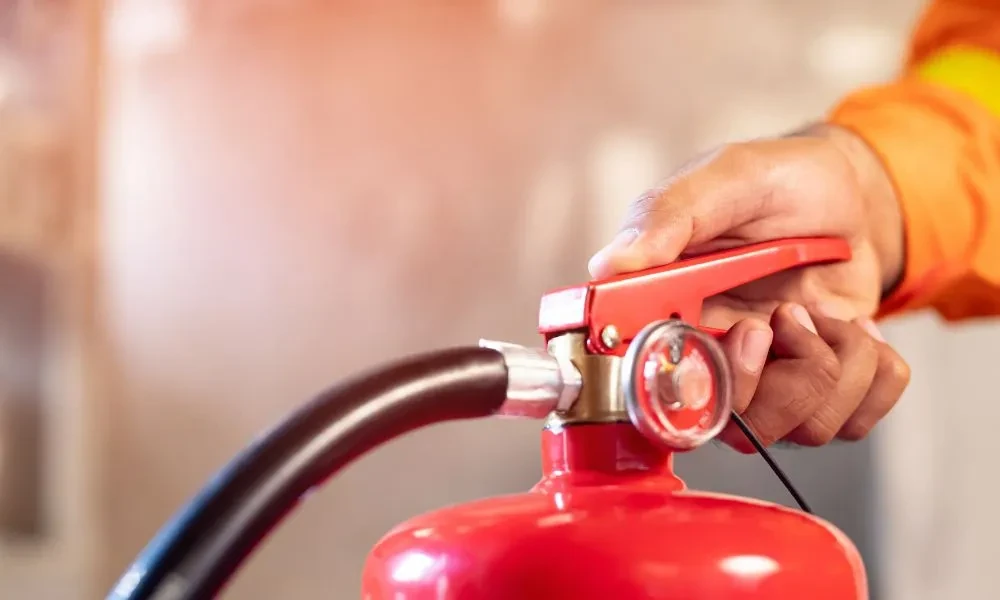
Fire extinguishers and other available firefighting equipment should remain easy to access during an alarm outage. Emergency exits and pathways should also remain clear so occupants can leave the building safely.
Good preparation supports a faster response if an emergency occurs.
Communicating the Outage
Building managers should inform relevant employees, workers, and other occupants when a fire alarm system is temporarily unavailable. Clear communication helps people understand the increased risk and follow any additional safety procedures.
Staff should also know how to report a fire and what actions to take during an emergency.
Restoring the System
Temporary safety measures should remain in place until the fire alarm system has been properly repaired, tested, and returned to normal operation. The system should be checked to confirm that it is functioning as intended.
Once normal protection has been restored, temporary measures can be discontinued according to established procedures.
Conclusion
Fire alarm outages can create additional safety risks, but proper temporary measures can help maintain protection while the system is unavailable. Fire watch, regular inspections, accessible emergency equipment, clear communication, and timely system restoration are important parts of managing an outage. Taking these precautions helps reduce fire risks and supports the safety of occupants and property until the normal fire alarm system is fully operational again.
