
Timber in UK commercial buildings is not just “having a moment” anymore. It is turning into something bigger, stronger, and honestly, way more stylish than many expected. The shift feels practical, but also a bit emotional for designers who love materials with character. And timber has plenty of that.
A Changing Landscape: Why Timber Is Leading the Charge
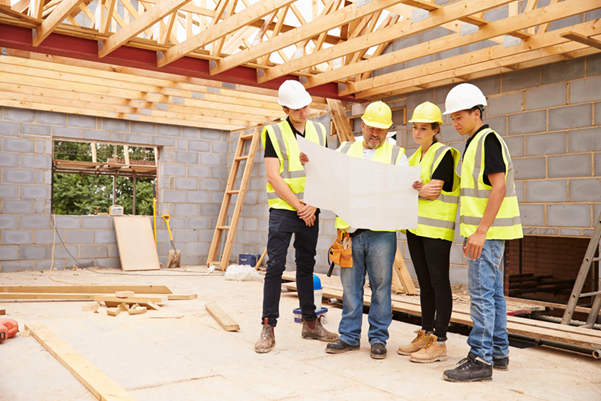
You look at upcoming projects, and you notice how often commercial timber frame solutions are popping up. Developers are clearly warming up to it, and companies like Vision Development are not just participating; they are nudging the trend forward.
They bring:
- Off-site manufacturing that feels reassuringly precise.
- Frames that balance looks, performance, and speed.
- A thoughtful understanding of sustainability (not just marketing fuzz).
Vision Development’s projects show what is possible when experience meets tech. And the industry is paying attention.
What Is Fuelling This Shift? A Few Big Factors
Some reasons keep showing up again and again, almost like they are impossible to ignore.
- Sustainability: This is a massive issue that one cannot ignore these days. Timber stores carbon, and that alone makes developers perk up. It is basically environmental brownie points that last for decades.
- Speed of construction: Also enhances, as off-site work means fewer soggy boots and fewer weather delays.
- Design flexibility: CLT, glulam, and engineered wood are letting architects stretch their imagination instead of fighting gravity the whole time.
You can feel a kind of feeling – why did we not think about this earlier?

Timber Frame Construction: Efficiency With Personality
Some people assume wood equals slow or old-school. No, timber frame construction is surprisingly modern, like speed-run-a-building modern.
It helps with:
- Faster assembly than many traditional materials.
- Less site waste (always welcome).
- A cleaner workflow that feels almost organised? Weirdly satisfying.
And the best part? The buildings do not all look the same. Timber lets developers play with shape and texture in a way that concrete just shrugs at.
Yes, Challenges Exist, But They are Shrinking Fast
Fire questions still come up. Training gaps, too. Totally normal. But building codes are evolving, and materials are smarter than they were even five years ago.
More teams are learning the system, and once they do, they do not want to go back. You can almost sense the confidence growing across the sector.
Biophilic Beauty: When Buildings Feel Alive
People are really leaning into natural surfaces and warm interiors. Seeing timber on ceilings, beams, and façades feels calming and inviting. And for commercial spaces, offices especially matter. Biophilic elements are no longer a “trend.” They are becoming a design expectation.
The 2026 Outlook: Wood Is Winning Hearts and Hard Hats
Timber is stepping out of its old cottage-core stereotype and walking straight into boardrooms, retail parks, and multi-storey developments. If 2025 was the warm-up, 2026 is the year timber takes the main stage. And honestly? It is hard not to root for it. A material that is lighter on the planet, quicker to build with, and gorgeous to look at, it deserves the spotlight.