

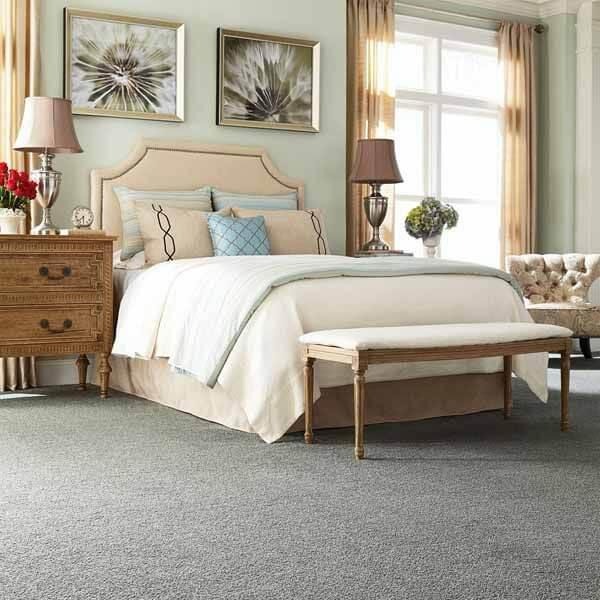
In recent years, the world of interior design has witnessed a noticeable shift toward eco-friendly and sustainable living. From low-VOC paints to energy-efficient appliances, homeowners are more conscious than ever about the environmental footprint of their spaces. Amid this trend, one area that’s gaining significant attention is sustainable carpet a flooring solution that blends comfort, style, and environmental responsibility.
Why Sustainability Matters in Flooring
Traditional floor coverings, particularly conventional carpets, have long been associated with environmental concerns. Many carpets are made from synthetic fibers derived from non-renewable petroleum, and their manufacturing processes can involve chemicals that impact indoor air quality. Additionally, once these carpets reach the end of their life, they often end up in landfills where they take decades-or even centuries-to decompose.
Given these challenges, it’s no surprise that consumers and designers alike are exploring greener alternatives. Sustainable carpets offer a way to maintain the warmth and comfort associated with carpeting while minimizing ecological harm.
What Makes a Carpet Sustainable?
At its core, a sustainable carpet is one designed with minimal environmental impact throughout its lifecycle-from raw materials and production to disposal and reuse. Here are the key factors that define eco-friendly carpeting:
Recycled and Renewable Materials
Sustainable carpets often incorporate recycled content such as reclaimed nylon, PET fibers made from plastic bottles, or wool sourced from ethical farms. Renewable materials like jute, sisal, seagrass, and organic wool are both biodegradable and visually appealing, giving homeowners natural options beyond synthetic fibers.
Low-Emission Manufacturing
Indoor air quality is a major concern for many homeowners. Sustainable carpets are manufactured to emit fewer volatile organic compounds (VOCs), which means fewer odors and better air quality. Look for carpets that meet standards like Green Label Plus, a certification indicating low VOC emissions.
Durability and Longevity
One of the often-overlooked aspects of sustainability is durability. A carpet that lasts longer needs to be replaced less frequently, reducing waste and consumption. High-quality materials and craftsmanship are essential in ensuring that eco-friendly carpets can stand up to daily wear and tear.
End-of-Life Options
True sustainability extends beyond installation. The best green carpets are recyclable or compostable, meaning they can be returned to the production cycle rather than ending up in landfills. Some manufacturers even offer take-back or recycling programs to close the loop.
Benefits of Sustainable Carpets for Modern Homes
Sustainable carpets are more than just a marketing trend-they deliver tangible benefits for homeowners, designers, and the environment.
Enhanced Comfort and Acoustics
One of the enduring reasons people choose carpeting is comfort. Soft underfoot feel and excellent acoustics make carpets ideal for bedrooms, living rooms, and play areas. Sustainable carpets retain these benefits while eliminating many of the drawbacks associated with conventional flooring.
Better Indoor Air Quality
With low VOC emissions and natural fibers, eco-friendly carpets contribute to healthier indoor environments. This is especially important for families with children, pets, or individuals with respiratory sensitivities.
Stylish and Versatile Designs
Gone are the days when eco-friendly meant unattractive or limited in style. Today’s sustainable carpets come in a wide range of colors, patterns, and textures-from plush wool bouclés to flat-woven jute rugs-allowing homeowners to design floors that reflect personal taste without compromising values.
Reduced Environmental Impact
By choosing recycled, renewable, and recyclable materials, homeowners actively reduce the demand for virgin resources. Additionally, sustainable carpets that come from responsible manufacturing processes contribute to lower carbon emissions and less waste.
How to Choose the Right Sustainable Carpet
With so many options available, selecting the best sustainable carpet can feel overwhelming. Here’s a simple guide to help you make an informed decision:
Check Certifications
Look for trusted eco-certifications like Cradle to Cradle, Green Label Plus, OEKO-TEX Standard 100, and Forest Stewardship Council (FSC) for natural fiber carpets. These labels ensure that products meet established environmental and health standards.
Understand the Materials
Ask about the fiber content and its source. Wool, sisal, seagrass, and recycled nylon are strong sustainable choices. If stain resistance is a concern, check whether the treatment used is free from harsh chemicals.
Evaluate Installation and Maintenance
Eco-friendly accessories matter too. Consider sustainable underlayment options and non-toxic adhesives for installation. Also, inquire about vacuuming and cleaning methods that extend the life of the carpet without chemical cleaners.
Factor in Longevity and Warranty
Always check the expected lifespan and manufacturer warranty. A carpet with a longer usable life and a solid warranty represents a better overall investment-even if the upfront cost is higher.
The Future of Eco-Friendly Flooring
Sustainable carpet Abu dhabi are more than a passing design trend-they’re a response to growing environmental awareness and demand for healthier homes. With ongoing innovation in materials science and manufacturing practices, eco-friendly carpeting is becoming more accessible, stylish, and effective than ever before.
As we rethink how our homes impact the planet, the flooring we choose matters. Whether you’re renovating a room or building a new home, sustainable carpets offer a compelling blend of comfort, design, and conscience-making them an excellent choice for modern living.
