

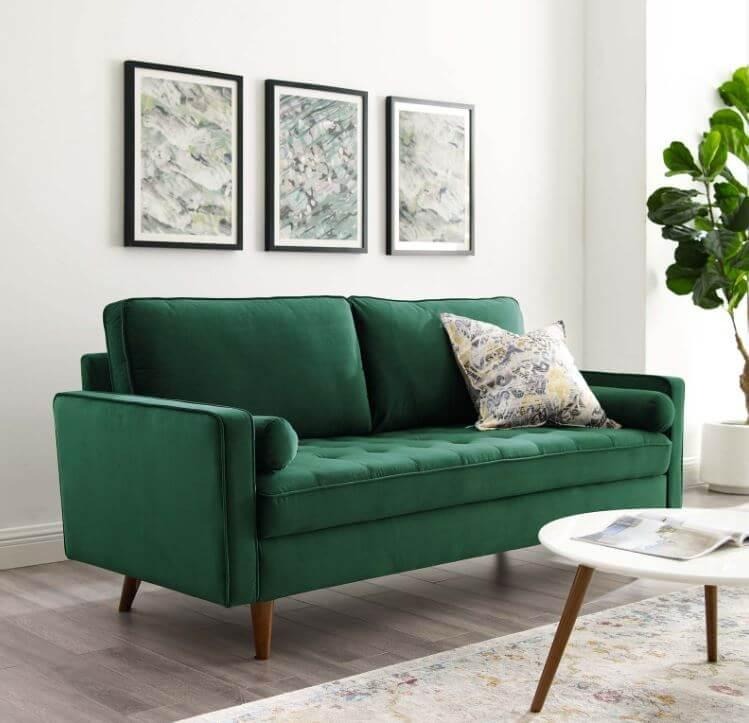
When it comes to choosing the perfect fabric for your sofa upholstery, the options can feel overwhelming. From luxurious velvets to durable microsuede, the choices are endless, each offering a distinct aesthetic and functional benefits. But choosing the right fabric isn’t just about looks—it’s also about how well the material fits your lifestyle, needs, and the overall vibe you want to create in your living room.
Whether you have a busy family with pets, or you’re someone who prefers low-maintenance luxury, this guide will walk you through the best fabric options for your sofa upholstery, so you can make an informed, stylish decision.
Consider Your Lifestyle and Needs
The first step in selecting the perfect fabric is evaluating your lifestyle. Think about the following:
Do you have kids or pets? If so, durability and stain resistance are key.
How much maintenance are you willing to do? Some fabrics are easier to clean than others.
Do you entertain frequently? Fabrics that show wear quickly might not be ideal for high-traffic areas.
What is your interior style? Do you prefer something soft and luxurious, or practical and understated?
Understanding how you’ll use the sofa and how much upkeep you’re willing to invest will help you narrow down fabric choices.
Types of Sofa Upholstery Fabrics
Here are some of the most popular upholstery fabrics, along with their advantages and drawbacks:
Cotton
Pros: Cotton is a breathable, natural fabric that feels soft and comfortable. It’s easy to clean and available in a wide variety of colors and patterns.
Cons: Cotton can wrinkle and stain easily. It may not be the most durable for homes with kids or pets unless it’s treated with a protective coating.
Best for: Families who prefer a casual, laid-back style and are willing to do some maintenance.
Linen
Pros: Linen offers a crisp, sophisticated look. It’s breathable, cool to the touch, and perfect for warm climates.
Cons: Linen wrinkles easily, and while it’s strong, it can be prone to fraying. It can also stain quickly and may fade with sun exposure.
Best for: Formal settings or those looking for a natural, luxurious texture but are willing to accept the maintenance that comes with linen.
Velvet
Pros: Velvet is undeniably luxurious. It’s rich, soft, and ideal for creating a high-end look. It comes in a variety of colors, and its texture adds depth to any room.
Cons: Velvet can be high maintenance—it attracts dust, lint, and pet hair. It’s also more delicate than other fabrics, and can be prone to crushing or fading over time.
Best for: Formal living rooms, people seeking elegance, or those willing to commit to regular cleaning and care.
Microfiber
Pros: Microfiber is highly durable, easy to clean, and resistant to stains. It’s an excellent choice for households with kids or pets, as it’s both soft and practical.
Cons: It can feel a little synthetic and lacks the natural texture or luxury of materials like linen or velvet. It may also show wear over time, particularly in high-traffic areas.
Best for: Families, pet owners, and those who need a fabric that can stand up to regular use.
Leather
Pros: Leather offers a classic, timeless look and is known for its durability. It’s easy to wipe clean and can develop a beautiful patina over time, adding to its character.
Cons: Leather can be prone to scratches and is sensitive to temperature changes, which may cause it to crack or dry out if not cared for properly. It’s also generally a higher investment.
Best for: Those looking for sophistication and durability, and those who don’t mind occasional upkeep.
Polyester
Pros: Polyester is durable, affordable, and resists stains, fading, and wrinkling. It’s available in various textures and looks and often mimics the feel of more expensive fabrics.
Cons: Some people find polyester to be less breathable than natural fibers, and it can feel slightly stiff.
Best for: Budget-conscious individuals, people looking for practicality, and those who prioritize easy maintenance.
Durability and Maintenance
Durability is one of the most important factors when selecting a sofa fabric, especially if you live in a busy home. Here’s a breakdown of how to assess the durability of a fabric:
Martindale Rub Test: Fabrics are tested for wear and tear through the Martindale Rub Test, which measures how many times a fabric can be rubbed before it shows signs of damage. Fabrics with a higher Martindale rating (like leather or high-quality microfiber) tend to be more durable.
Stain Resistance: Many modern fabrics come with stain-resistant treatments, or you can buy a sofa that has been pre-treated for easier cleaning. This is particularly helpful for people with kids, pets, or those prone to spills.
Ease of Cleaning: Consider fabrics that are machine washable or can be easily cleaned with a vacuum or mild detergent. For fabrics that require professional cleaning, be prepared for higher upkeep costs.
Texture and Comfort
The texture of your sofa fabric will directly affect how comfortable it is. Natural fibers like cotton and linen are breathable and soft, making them ideal for lounging. On the other hand, synthetic fabrics like polyester or microfiber might feel less plush but offer greater durability and ease of maintenance.
If comfort is a priority, be sure to test the fabric before making a final decision. Try sitting on a sample or similar couch in-store to get a feel for how the fabric responds to body heat and pressure.
Matching Your Interior Style
While durability and comfort are essential, aesthetics should not be overlooked. Your sofa upholstery should complement the overall décor of your living room. Consider the color, pattern, and texture of your space:
Neutral tones like beige, gray, or white work well in almost any setting and can be paired with bold accent pieces.
Bold patterns or colors can make a statement, especially in modern or eclectic interiors.
Textures like velvet or linen can bring sophistication, while microfiber or leather may suit a more minimalistic or industrial style.
Budget Considerations
Your budget will ultimately play a significant role in your decision. Natural fibers and luxurious materials like velvet or leather tend to be more expensive, while synthetic fabrics like polyester and microfiber are more affordable.
Consider how long you plan to keep your sofa. If it’s a long-term investment, you might want to splurge on higher-quality fabrics. However, if you’re looking for a more budget-friendly option or anticipate changing your style in a few years, more affordable options may be better.
Conclusion
Choosing the perfect fabric for your sofa upholstery Abu Dhabi is more than just about style—it’s about finding a balance between aesthetics, durability, comfort, and practicality. Understanding your lifestyle needs, the maintenance required, and your budget will guide you to the right fabric choice.
Whether you opt for the timeless sophistication of leather, the cozy warmth of cotton, or the practicality of microfiber, the right fabric can transform your sofa into a comfortable, stylish centerpiece of your living space. So take your time, test a few options, and choose the fabric that best fits your needs—and your home.
