
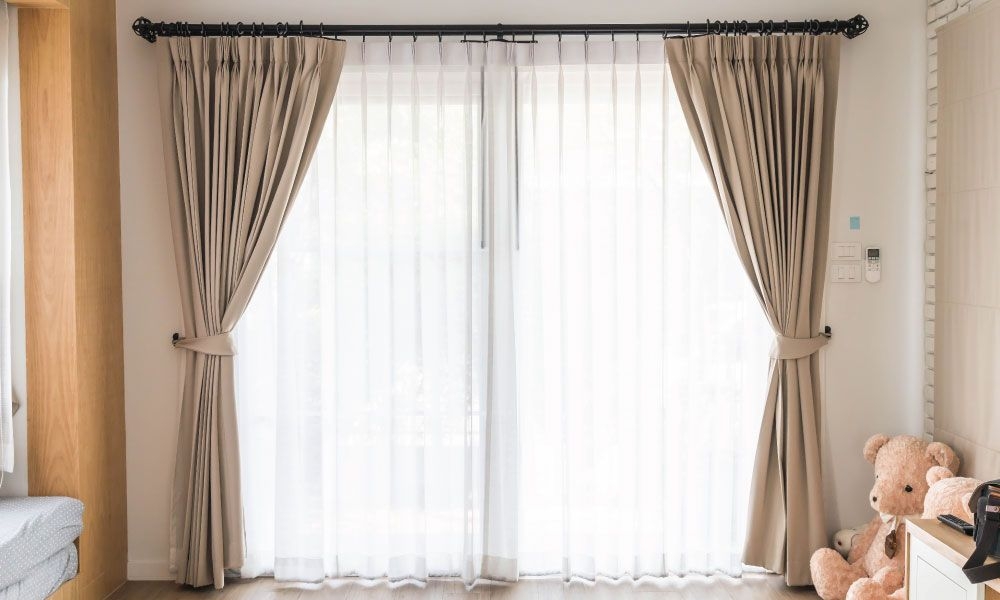
Motorised curtains in Singapore are fast becoming one of the most sought-after home upgrades, and it is not hard to see why. As smart living continues to reshape how Singaporeans design their homes, the humble curtain has quietly had quite the transformation. Gone are the days of tugging at fabric and wrestling with tangled cords. Today, a single tap on your phone or a voice command is all it takes to set the mood in any room.
Whether you are renovating a new HDB flat, a condominium, or a landed property, understanding what motorised curtains offer, and how to choose and install them well, can make a meaningful difference to your everyday comfort.
What Are Motorised Curtains?
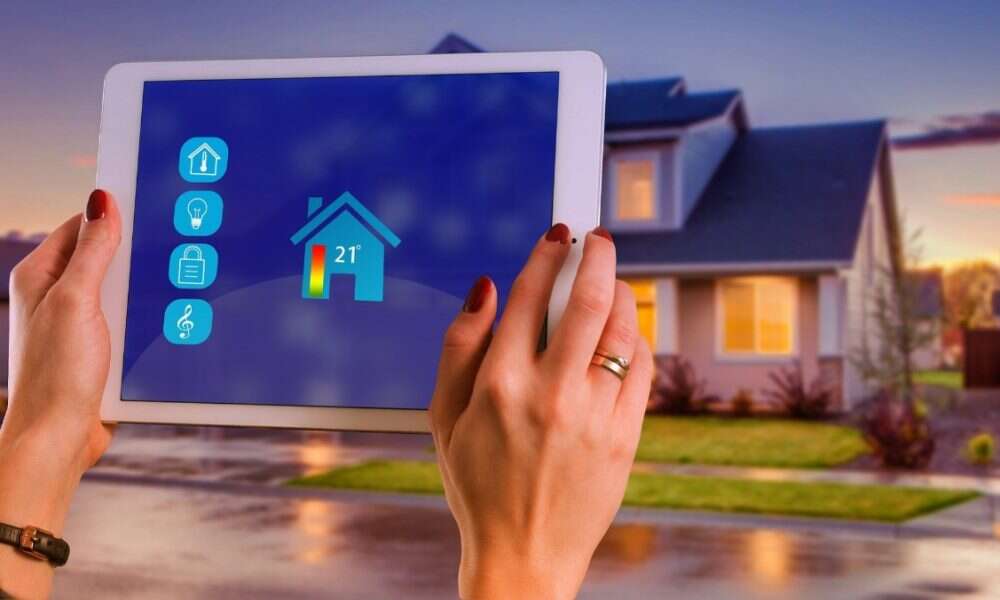
At their core, motorised curtains are window treatments fitted with an electric motor that opens and closes the curtain track automatically. They can be controlled through a remote, a wall switch, a smartphone app, or integrated into a smart home system. Some models also respond to voice assistants such as Alexa or Google Home.
The motor sits discreetly within the track system, making the setup remarkably neat. For homes with floor-to-ceiling windows, which are particularly common in Singapore’s condominiums, this kind of system is not just a luxury; it is genuinely practical.
Key Features to Look For
When shopping for a motorised curtain system in Singapore, it helps to know what separates a quality product from a mediocre one. Here are the features worth paying attention to:
Noise level
A good motor should run quietly. In a bedroom or nursery, silent operation is non-negotiable.
Motor type
Tubular motors are the most common and are embedded directly into the curtain rod. Track-based systems suit wider windows and heavier fabrics.
Control options
Look for systems that offer multiple control methods, including app control, remote, and smart home compatibility.
Fabric compatibility
Not all motors handle heavy blackout curtains or sheer drapes equally well. Match the motor’s torque rating to your curtain weight.
Timer and scheduling
Some systems allow you to programme opening and closing times, which is particularly useful for managing Singapore’s intense morning sunlight.
Power source
Most systems are hardwired, but battery-operated options exist for homes where running cables is not feasible.
Why Singaporean Homeowners Are Making the Switch
Singapore’s urban lifestyle, combined with the country’s year-round heat and strong sunlight, creates a genuine need for smart window solutions. Here is why motorised curtains Singapore have gained such a strong following:
Convenience and accessibility
For elderly residents or those with mobility challenges, not having to physically pull curtains is a significant quality-of-life improvement. In a multi-generational household, this kind of thoughtful design really does matter.
Energy efficiency
Singapore’s buildings absorb enormous amounts of heat. By scheduling your curtains to close during the hottest part of the day, typically between 11am and 3pm, you reduce the load on your air conditioning system. This translates directly into lower utility bills over time.
Child and pet safety
Traditional curtain cords present a genuine hazard. Motorised curtain systems eliminate dangling cords entirely, making your home safer for young children and curious pets.
Aesthetics and smart home integration
There is an undeniable elegance to curtains that glide open silently at a pre-set time. For homeowners building a full smart home ecosystem, motorised curtains complete the picture beautifully.
Installation: What to Expect
The installation process for motorised curtains in Singapore varies depending on the type of system chosen and the layout of your home. Here is a general overview of what the process typically involves:
1. Site assessment
A technician will visit to measure your windows, assess wall and ceiling conditions, and determine the best track or rod placement.
2. Cable routing
For hardwired systems, power cables need to be routed to the motor. This is best done during renovation before walls are plastered.
3. Track and motor installation
The track is mounted first, followed by the motor unit. This usually takes a few hours per room.
4. Pairing and programming
The system is then connected to your chosen controller, whether that is a remote, a smart hub, or an app.
5. Testing and handover
The installer will run the system through several cycles to check alignment, speed, and noise levels before handing over to you.
For those mid-renovation, it is worth coordinating motorised curtain installation in Singapore with your interior designer or main contractor early. Retrofitting into a completed home is entirely possible, but it requires more careful cable management.
Practical Tips Before You Buy
- Measure your window width accurately, as wider windows may require a stronger motor or a dual-motor setup.
- Think about which rooms benefit most; bedrooms and living rooms are usually the top priorities.
- Ask about warranty periods and after-sales support, as motors do occasionally require servicing.
- Request a demonstration if possible, particularly to assess noise levels.
Final Thoughts
Making the shift to motorised curtains is one of those upgrades that quietly improves daily life in ways you did not fully anticipate until you are living with it. From the convenience of automating your morning light to the satisfaction of a home that responds to your lifestyle rather than the other way around, the benefits are real and lasting. If you are looking to elevate your living space thoughtfully and practically, investing in motorised curtains Singapore is a decision well worth making.